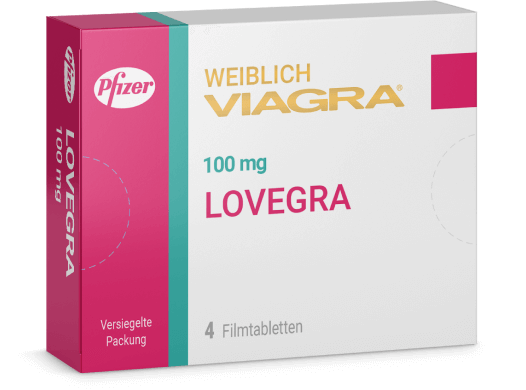
Lovegra – Sildenafil Tablets for Female Sexual Arousal Disorder
Lovegra is a prescription medication formulated to help manage Female Sexual Arousal Disorder (FSAD). It contains sildenafil citrate, a well-known PDE-5 inhibitor that works by improving blood flow to the genital area, which may help enhance sensitivity, arousal, and sexual response in women.
While Sildenafil is globally recognized for its efficacy, it is a potent medication that affects blood pressure and circulation. Understanding the side effects and contraindications is essential for a safe experience.
1. Common Side Effects
Most side effects are mild and temporary, usually subsiding as the medication leaves your system (within 4–6 hours).
-
Headache: The most frequently reported side effect.
-
Facial Flushing: A sense of warmth or redness in the face, neck, or chest.
-
Digestive Issues: Indigestion, upset stomach, or mild nausea.
-
Nasal Congestion: A “stuffy” or runny nose.
-
Dizziness: Especially when standing up quickly.
-
Visual Changes: A temporary blue-ish tint to vision, blurred vision, or sensitivity to light.
2. Rare but Serious Side Effects
Stop use and seek immediate medical attention if you experience:
-
Priapism: An erection lasting longer than 4 hours. If not treated, this can cause permanent damage to penile tissue.
-
Sudden Vision Loss: In one or both eyes, which may be a sign of a serious eye condition (NAION).
-
Sudden Hearing Loss: Often accompanied by ringing in the ears (tinnitus) or severe dizziness.
-
Chest Pain: If you experience chest pain, nausea, or dizziness during sexual activity, stop immediately.
Q1: What is Lovegra used for?
A: Lovegra is used to help manage female sexual arousal disorder (FSAD) in adult women.
Q2: How long does Lovegra take to work?
A: Lovegra typically starts working within 30–60 minutes after intake.
Q3: How long do the effects last?
A: The effects may last 4–6 hours, depending on individual response.
Q4: How should I take Lovegra?
A: Take one tablet with water before sexual activity. Do not exceed one tablet per day.
Q5: Can Lovegra be taken with food?
A: Yes, but heavy or high-fat meals may slow its onset.
Q6: Is Lovegra safe?
A: When taken as prescribed and under medical guidance, it is generally considered safe. Always consult a healthcare professional before use.
Q7: What are the common side effects?
A: Headache, flushing, dizziness, nausea, or nasal congestion. These effects are usually mild and temporary.
Q8: Can I drink alcohol while taking Lovegra?
A: Excessive alcohol should be avoided, as it may reduce effectiveness and increase side effects.
Q9: Does Lovegra permanently cure FSAD?
A: No. Lovegra helps manage symptoms, but it is not a permanent cure.
Q10: Where can I buy Lovegra?
A: Lovegra should be purchased from licensed and verified pharmacies to ensure authenticity and safety.
 rxpharmacyshopteam@gmail.com
 +18 888856559

Reviews
There are no reviews yet.